Did You Pay Too Much in Taxes This Year?
April hits differently when you're the one running the financial side of a trades business.
You gathered the documents, answered the accountant's questions, and managed the whole process. The return is filed. The check is written. And now you're sitting with a number that feels too high and a question you can't quite let go of:
Did I pay more than I had to?
For most women I work with who own or co-own contractor businesses, the answer is yes. And it's not because they did anything wrong. It's because nobody asked the right questions before the year was over — and tax prep is not the same as tax planning.
The deductions women running trades businesses miss most
Standard small business deductions and contractor-specific deductions are not the same thing. And if your accountant doesn't specialize in the trades — or doesn't understand the way your business is actually structured — there's a good chance some of these were missed:
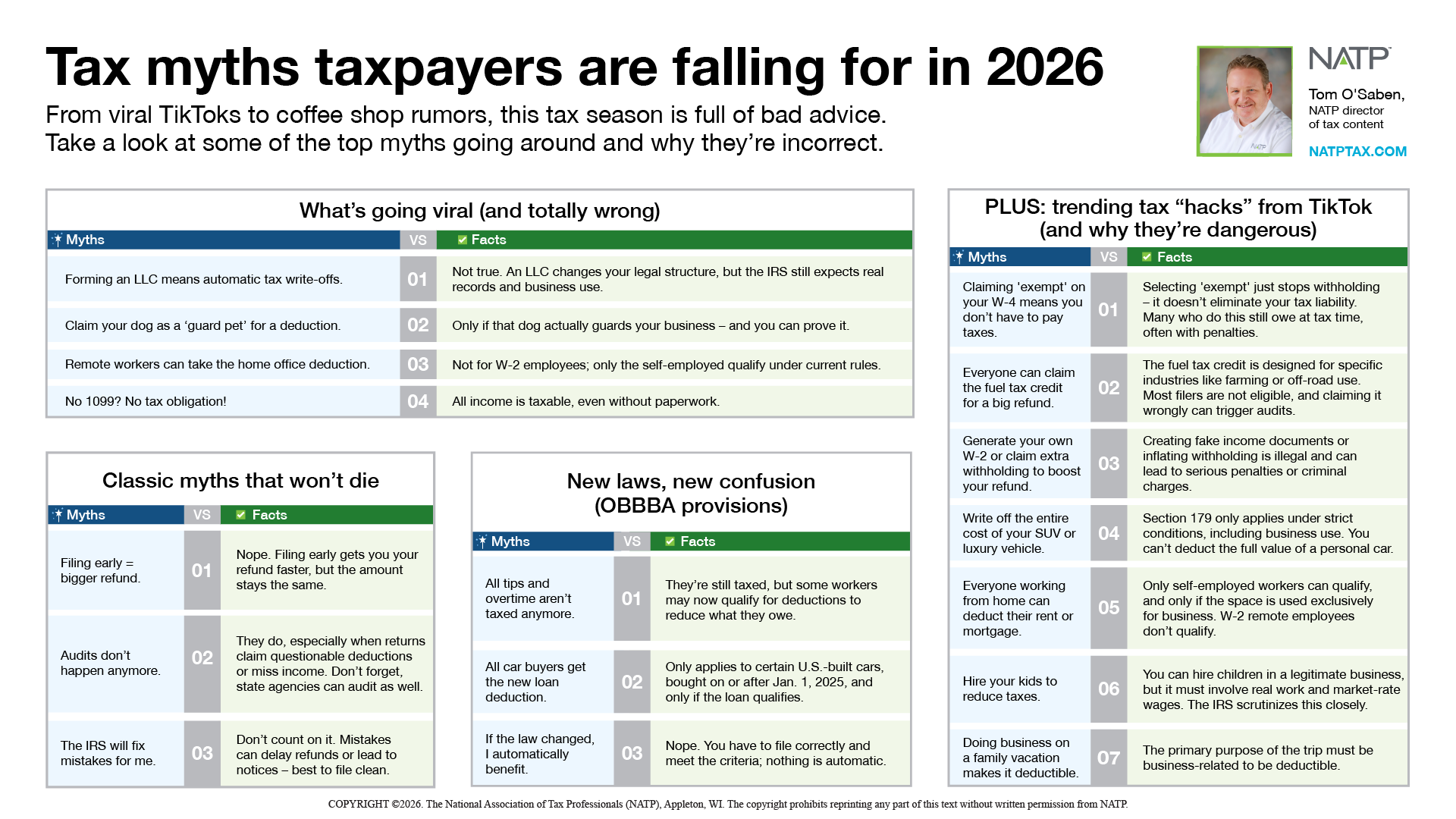
Section 179 If you purchased equipment this year — trucks, trailers, tools, heavy machinery — Section 179 lets you deduct the full cost in the year you bought it. Not depreciated over five or seven years. All of it, now. That's a significant deduction that disappears if no one catches it before you file.
Bonus Depreciation Similar to Section 179, but with broader application and its own rules. The bonus depreciation percentage has been changing in recent years. If no one is tracking this for you, you're guessing — and guessing usually costs money.
Vehicle Use If there are trucks or vehicles in the business name being used for jobs, that use needs to be documented correctly. Mileage logs, depreciation elections, business-use percentages. Vague records mean lost deductions. Proper records mean money back in your business.
Home Office You are not the bookkeeper. You are a co-owner who manages the entire back office — invoicing, payroll, scheduling, vendor calls, insurance, tax documents. If you do that work from a dedicated space at home, you likely have a legitimate home office deduction. Most women in your position don't claim it. Most of them should.
Retirement Contributions A SEP-IRA or Solo 401(k) can reduce your taxable income significantly. If you're not using one, you're paying taxes on money you could be building wealth with.
Why this keeps happening — and it's not your fault
You're not disorganized. You're not careless. You're running payroll, chasing receivables, managing a crew schedule, keeping the household going, and somehow also expected to be a tax strategist.
The problem is timing — and the fact that most accountants aren't asking the right questions.
By the time you sit down with your tax preparer, the year is already over. The equipment is already bought. The truck is already on the books. The decisions are already made. All that's left is to report what happened — and hope nothing was missed.
Real tax planning doesn't happen in April. It happens in October.
It looks like this:
A conversation before you buy the equipment, so you know whether to take the deduction now or spread it over time
A look at your estimated payments in Q3, so April isn't a surprise
A check-in on your retirement contributions before the year closes
A question about your books — are they clean enough to actually support your deductions?
That last one matters more than most people realize. If your books aren't set up correctly in QuickBooks, you can't track deductions by job, by category, or by vehicle. You end up with a rough number instead of a real one. And rough numbers cost money.
What changes when you have an advisor in your corner
You stop dreading this time of year.
Not because taxes get easier. Because you already know what's coming. You made the decisions before the year closed. You're not scrambling. You're not holding your breath. You're not finding out what you owe in April and wishing someone had told you sooner.
Your books are clean. Your deductions are captured. Your estimated payments are right-sized. When April comes, you file — and move on.
That's what I do with the women I work with. I'm not a tax preparer who sees you once a year. I'm an advisor who knows your business, knows your numbers, and asks the hard questions before they cost you anything.
If you're reading this thinking this is exactly what I've been missing — you're right. And it's fixable. The best time to start was last October. The second-best time is right now.
Ready to stop guessing and start planning?
I put together a free guide specifically for women who own or co-own contractor businesses in Michigan who are ready to stop running the numbers alone — and start actually getting ahead of them.
Leslea Burnett-Little, EA Founder, Simply Balanced Accountants Built for women who build Michigan | simplybalancedaccountants.com