
The Real Cost of Bad Tax Advice
Yesterday, I had a conversation with a business owner who's three months into running his new venture. He'd received some guidance early on that sounded... off. Things like writing off 100% of his commute. Or deducting meals at work simply because he needs to eat while he's working.
None of that advice was accurate. But here's what struck me most: he knew something didn't sound right. He just didn't have anyone to check with, so he kept second-guessing himself.
That's the real cost of bad tax advice. It's not just the risk of an incorrect deduction. It's the constant uncertainty. The nagging stress that shows up every time you look at your books.
Why Bad Advice Spreads So Easily
Tax misinformation doesn't usually come from malicious sources. It comes from social media creators sharing strategies that worked for their specific situation. From well-meaning friends who heard something third-hand. From outdated information that hasn't kept up with rule changes.
The problem is that tax strategies aren't one-size-fits-all. What's legitimate for a real estate investor might be completely wrong for a service-based consultant. A strategy that worked three years ago might not apply under current law.
And when you're building a business, you're getting advice from everywhere. It's genuinely hard to know what's solid and what's not.
The Hidden Costs
When you follow questionable advice, the obvious risk is triggering an audit or owing more than you expected. But there's a less visible cost that affects you long before April ever rolls around.
It's the mental load. The stress of wondering if you're doing it right. The time spent researching conflicting information online instead of actually running your business. The decisions you avoid making because you're not confident in the foundation.
That uncertainty doesn't just live in your tax return. It seeps into how you plan, how you spend, and how you think about growth.
How to Vet Tax Advice
Not all tax guidance requires a CPA to verify. But if you're hearing something that sounds too good to be true—or something that contradicts what you thought you knew—here's how to check it:
Look for IRS parameters. The IRS publishes guidelines for most deductions, including what's considered "ordinary and necessary" for your industry. If your expenses fall way outside the norm for businesses like yours, that's a red flag.
Ask about documentation. Legitimate deductions come with documentation requirements. If someone tells you that you can write something off but can't explain what records you'd need to back it up, be skeptical.
Get a second opinion. If advice is coming from social media or a friend, run it by someone whose job is to know the current rules. That's what clarity calls are for.
What Good Guidance Actually Looks Like
Here's the difference: bad advice creates more questions. Good guidance clears them up.
When you're working with someone who actually knows your situation, the conversation doesn't end with "maybe" or "it depends" and leave you hanging. It ends with a clear plan and confidence in your next steps.
You shouldn't feel more confused after getting tax advice. You should feel more equipped.
The Bottom Line: That nagging feeling that something's off? That's not imposter syndrome. That's your instinct telling you that you need someone in your corner who can give you straight answers.
If you've been second-guessing the advice you've gotten—or if you're tired of piecing together tax strategies from TikTok and hoping for the best—let's talk.
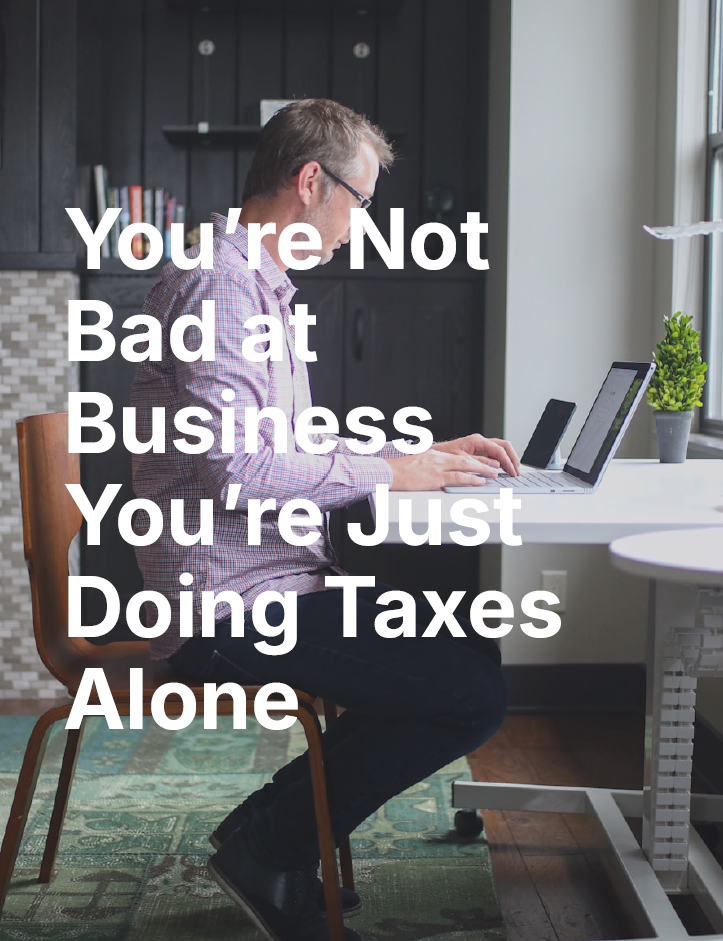
Or download our free guide: "You're Not Bad at Business—You're Just Doing Taxes Alone." It walks through why the DIY approach stops working with taxes and what changes when you finally stop carrying this alone.
Leslea Burnett-Little, EA
**About the Author** Leslea is the founder of Simply Balanced Accountants, a Michigan-based firm specializing in year-round tax advisory for small business owners and entrepreneurs. She helps business owners transition from DIY tax approaches to proactive planning.