
3 Things You Can Still Fix in Your First Year of Business
"I think I started out wrong."
That's what a client told me last week. He's three months into his new business, got some questionable advice early on, and was worried he'd already messed everything up.
Here's what I told him: It's not too late to reframe this.
Three months in? That's early. Even six or nine months in—you're still in a position to course-correct without major consequences. Most business owners don't get everything perfect on Day 1. That's not failure. That's normal.
If you're in your first year and worried you've made mistakes, here are three things you can still fix—and why now is actually the perfect time to do it.
1. Expense Categorization (Especially Auto and Meals)
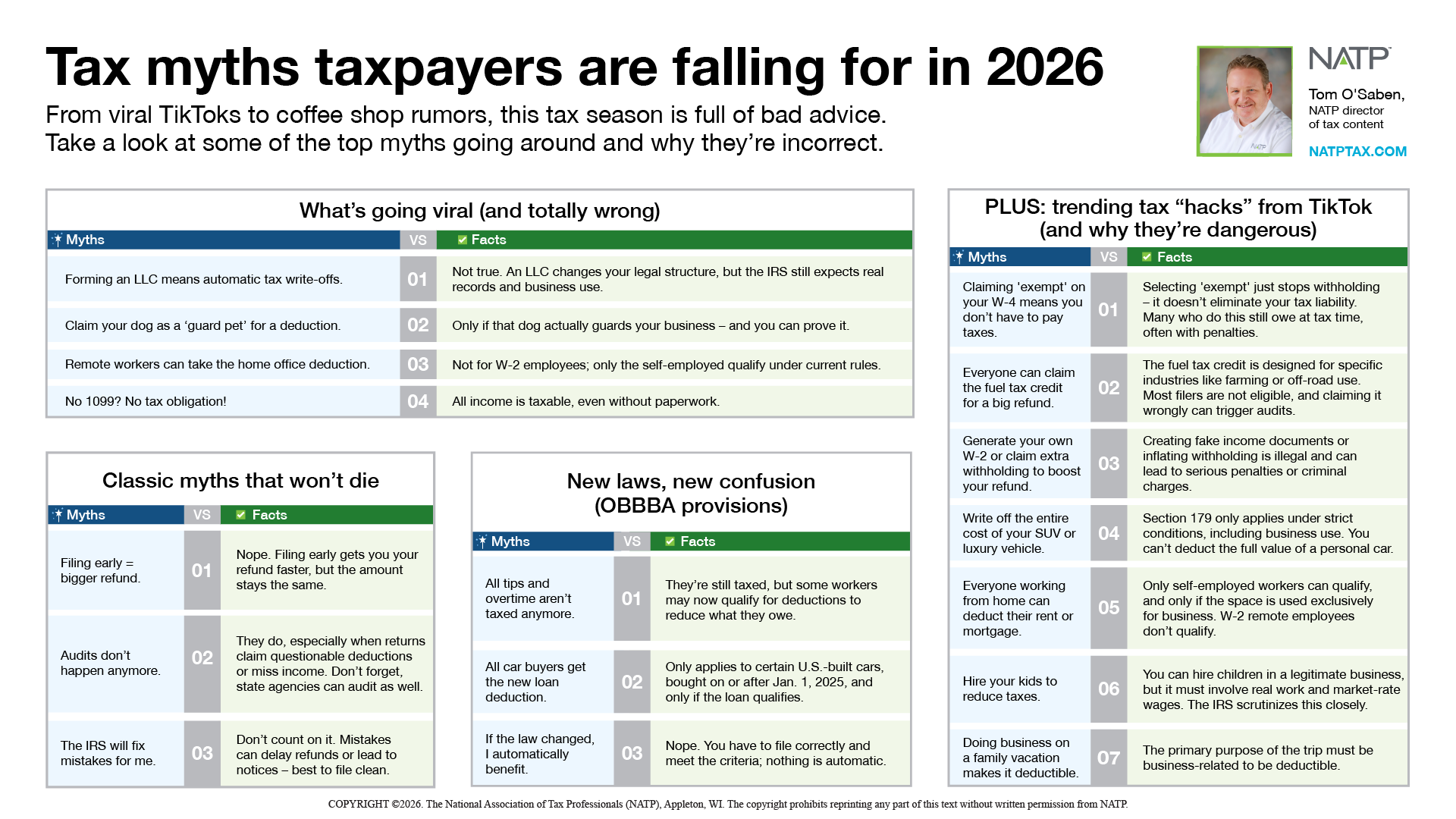
One of the most common issues I see: business owners taking deductions they're not sure about because someone told them it was okay.
Commute mileage? Not deductible—ever. The IRS is clear on that.
Meals while you're working at your desk? Also not deductible just because you need to eat.
But business mileage to client meetings? Deductible. Meals with clients or during business travel? Deductible at 50%.
If you've been tracking expenses in a way that doesn't align with IRS rules, you can fix it now. Go back through your records. Recategorize what needs to be recategorized. Adjust your tracking system going forward.
The earlier you clean this up, the easier it is. Waiting until tax time to sort it out? That's when it becomes a problem.
2. Bookkeeping Systems (From Chaos to Clarity)
A lot of new business owners start with a simple spreadsheet. Income in one column, expenses in another. And honestly? For the first few months, that's fine.
But if you're tracking $50K, $75K, $100K+ in revenue and you're still working out of a basic Excel sheet, it's time to level up.
You don't necessarily need QuickBooks on Day 1. But you do need a system that can handle your volume without creating more work than it saves.
Here's the fix: If you're not ready for full accounting software yet, at least upgrade to a better template. Separate personal and business expenses clearly. Track categories consistently. Make sure you can actually find a transaction when you need it.
And if you are ready for QuickBooks or similar software? Now is the time. You're early enough that migrating your data won't feel overwhelming.
3. Tax Planning Approach (Reactive to Proactive)
Most new business owners operate reactively for the first year. They track what comes in and what goes out, then hand everything to a tax preparer in April and hope for the best.
That's understandable. You're busy building the business.
But here's the thing: if you wait until April to think about taxes, you've missed every opportunity to actually influence the outcome.
The fix? Shift to quarterly thinking.
Set up check-ins every quarter to review where you stand. Are you on track for estimated payments? Should you be setting aside a certain percentage of revenue? Are there year-end moves you should be planning now instead of scrambling in December?
You don't need a complicated system. You just need to stop treating taxes as an April problem and start treating them as a year-round element of your business strategy.
Why Q1-Q2 Is Actually the Perfect Time
If you're reading this in the first half of the year, you're in the best possible position to make changes.
You're early enough that mistakes haven't compounded. You're far enough in that you know what's working and what isn't. And you still have time to set up systems and habits that will carry you through the rest of the year.
Starting imperfectly doesn't mean you're stuck. It means you're learning.
The Bottom Line: If you've been putting off getting help because you think it's "too late" to fix things, it's not. The worst thing you can do is nothing.
Ready to get a second set of eyes on your first-year setup?
I wrote a guide for business owners who've been DIYing and are starting to wonder if there's a better way. It's called "You're Not Bad at Business—You're Just Doing Taxes Alone."
Inside, you'll find a self-assessment to see where you actually stand—and what to do about it.
Or if you're ready to talk through your specific situation:
Leslea Burnett-Little, EA
About Simply Balanced
Leslea founded Simply Balanced Accountants to provide year-round tax advisory and strategic planning for Michigan small business owners.